
Your First Office for a Startup Is a Bigger Decision Than It Looks
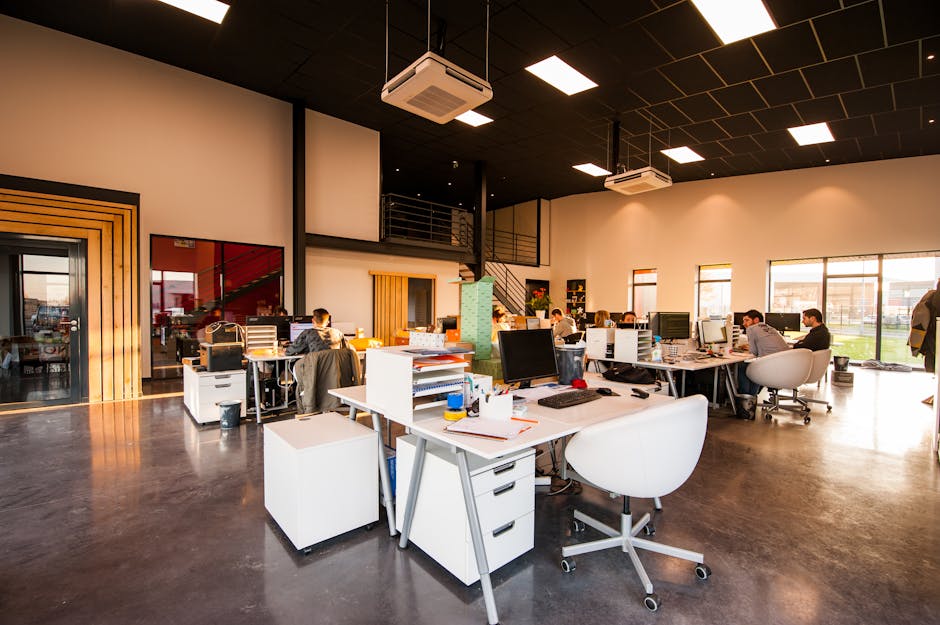
Choosing your first office for a startup is one of those milestones that feels exciting — and overwhelming at the same time.
Here's a quick answer to help you get started:
How to choose your first office for a startup:
- Wait for the right trigger — when home distractions, lack of professionalism, or team collaboration needs become a real problem
- Start flexible — coworking spaces and serviced offices beat long-term leases for early-stage teams
- Budget beyond rent — factor in utilities, furniture, internet, and maintenance
- Pick the right location — think talent pool, client access, and commute
- Match the space to your team — private suites, dedicated desks, or shared areas depending on how you work
Most startups don't begin in an office. Ideas start in living rooms, dorm rooms, and kitchen tables. That's perfectly fine — until it isn't.
At some point, the home setup stops working. Maybe you're missing client meetings that feel professional. Maybe your team is scattered and collaboration is suffering. Maybe you just need a place where you can actually focus.
That's the moment the first office question gets real.
And it's not just about finding a desk. The space you choose will shape your team's culture, your daily productivity, and — honestly — how seriously people take your business.
Getting it wrong is expensive. Getting it right doesn't have to be.
I'm Hunter Radenslaben, co-founder of Avant Spaces, a coworking community in West Omaha that's been home to startups and small businesses since 2021 — so I've watched a lot of founders navigate the first office for startup decision up close. This guide covers everything I wish more founders knew before they signed their first lease.
When is the Right Time for a Startup to Move into a Physical Space?
Deciding when to pull the trigger on a first office for startup operations is a balancing act. Move too early, and you burn precious seed capital on empty desks. Move too late, and you might stifle the very collaboration that makes a startup move fast.
So, how do you know it's time? It usually happens when your "organic" growth starts hitting "organizational" walls. Research shows that while many ideas start in dorm rooms or living rooms, a physical space acts as a catalyst for turning thoughts into initiatives. In a shared environment, a passing comment often evolves into a conversation, which then becomes a full-blown project. That's hard to replicate over a scheduled Zoom call.
You might be ready for your first office if:
- Collaboration feels clunky: If your team spends more time trying to coordinate a meeting time than actually solving problems, you need a hub.
- The "Home Office" is a liability: Are you taking investor calls with a laundry basket in the background? Investors and banks often look up addresses; a residential listing can sometimes raise red flags during the due diligence process.
- Hiring is getting harder: New hires, especially those early in their careers, often need hands-on support and a sense of belonging that a remote-only setup struggles to provide.
- Focus is non-existent: When the distractions of home start impacting your output, a dedicated workspace becomes a productivity tool, not just an expense.
Having a professional Conference Room for those high-stakes investor pitches or team strategy sessions can be the difference between looking like a "hobby project" and a "funded-ready" venture.
Assessing Your Needs for a First Office for Startup Success
Once you’ve decided to move, the next step is figuring out exactly what kind of "home" your business needs. It’s easy to overestimate how much space you need—or worse, underestimate how fast you’ll grow.
Start by looking at your current team size and your 12-month growth projections. Startups rarely grow in predictable patterns. You might be three people today and ten by Christmas. This is why traditional 5-year leases are often a "startup killer." They lock you into a space that is either too big (wasting money) or too small (stifling growth) within months.
Consider your work style:
- The "Heads-Down" Team: If your developers or writers need deep focus, look for Office Suites that provide acoustic privacy.
- The "Collaborative" Team: If you’re constantly whiteboarding and brainstorming, you’ll want access to shared breakout areas and Suites that allow for easy interaction.
- The "Hybrid" Team: If half your team is remote, you might only need a few dedicated desks and a professional home base for when everyone is in town.
Finding a Flexible First Office for Startup Teams
In the early stages, flexibility isn’t just a "nice-to-have"—it’s a survival strategy. You need a lease that can pivot as fast as your product does. This is where Flexible Workspaces shine.
Instead of a multi-year commitment, many startups opt for month-to-month or yearly memberships. This allows you to scale up from a single Individual Suite to a larger team wing without the headache of moving across town.
Another essential feature for the startup grind? 24/7 access. Innovation doesn't always happen between 9 and 5. Whether you're pushing a code update at midnight or prepping for an early morning pitch, having a secure, reliable place to work at any hour is a massive advantage.
Essential Infrastructure for Your First Office for Startup Operations
Don't let a "pretty" office distract you from the technical vitals. Your first office for startup success lives and dies by its infrastructure.
- Internet: This is non-negotiable. You need fiber optic internet with high upload and download speeds. In a world of cloud-based tools and video conferencing, "standard" business internet often won't cut it.
- Meeting Tech: Ensure your Conference Room list includes reliable AV equipment for hybrid meetings. There is nothing more frustrating than wasting 15 minutes of an investor's time trying to get the screen to share.
- Networking: We’re not just talking about routers. A huge part of the startup journey is Networking with other founders. Being in a space where you can grab coffee with someone who just solved the same tax or hiring problem you're facing is worth its weight in gold.
Budgeting Beyond the Rent: Hidden Costs and Smart Savings
One of the biggest mistakes founders make is looking only at the "price per square foot" of a traditional lease. In a traditional office, the rent is just the beginning.
When you sign a traditional lease, you are often responsible for:
- Utilities: Electricity, water, and heating.
- Maintenance: Cleaning services and repairs.
- Furniture: Desks, chairs, and common area decor (which can cost thousands upfront).
- Internet & Tech: Setting up routers, security, and monthly service fees.
- Operational Time: The "CEO" often becomes the "Head of Office Logistics," spending hours fixing the Wi-Fi or ordering toilet paper.
By contrast, a coworking or serviced office model bundles these into one predictable monthly fee.
- Furniture:
- Traditional lease: usually a big upfront purchase
- Coworking / serviced office: often Included
- Utilities and cleaning:
- Traditional lease: separate monthly bills
- Coworking / serviced office: typically included
- Internet:
- Traditional lease: setup costs plus a monthly fee
- Coworking / serviced office: high-speed fiber usually included
- Amenities:
- Traditional lease: you cover extras like coffee and snacks
- Coworking / serviced office: many Office Amenities are included
- Flexibility:
- Traditional lease: often a 3-5 year commitment
- Coworking / serviced office: commonly month-to-month or yearly
For most startups, the 95% cost savings of a virtual or flexible office compared to the heavy overhead of a traditional build-out is what allows them to stay "lean" and keep capital in the business where it belongs.
Location Strategy: Why West Omaha and Elkhorn Matter
Where you put your first office for startup operations matters just as much as what's inside it. You want to be where the talent is, but you also want to be accessible to your clients and your own team's sanity (commutes matter!).
In the Omaha metro, we've seen a shift toward "neighborhood" workspaces. While downtown has its perks, West Omaha and Elkhorn have become massive hubs for growing businesses.
- Talent Pool: West Omaha is home to a high concentration of professionals and tech talent who appreciate working closer to where they live.
- Accessibility: Easy parking and proximity to major expressways make it simple for clients to visit.
- Local Pride: The Elkhorn business district was recently added to the National Register of Historic Places, reflecting the area's growth and character. It's a place where you can build a professional presence without the "corporate" sterile feel of a downtown high-rise.
If you're looking for a spot that balances a professional image with a welcoming, community-focused vibe, we recommend you search for options in these growing districts and Schedule a Tour to see the environment for yourself.
Frequently Asked Questions about Your First Office
How much space do I actually need per person?
The old corporate standard was 200 square feet per person, but startups usually operate much leaner. A good rule of thumb for a modern first office for startup teams is about 75-100 square feet per person if you have access to shared amenities like kitchens and lounges. If you're in a private suite but use a shared conference room, you can maximize your private footprint for desks and "heads-down" work.
What are the most common mistakes when picking a first office?
The most frequent pitfall is signing a lease that is too long. Startups rarely look the same two years in a row. Another common mistake is underestimating "operational drag"—the amount of time the founding team spends managing the physical office (cleaning, internet issues, furniture assembly) instead of building the product. Finally, many founders forget to check the "vibe." If the space feels cold and sterile, your team won't want to be there, and your culture will suffer.
Conclusion
Choosing your first office for startup success is a major step toward building a real, sustainable company. It’s about more than just four walls and a desk; it’s about creating a home for your ideas and a community for your team.
At Avant Spaces, we’re proud to be part of the West Omaha and Elkhorn business community. We believe work is better when it’s local, flexible, and human. Whether you’re a solo founder looking for a professional suite or a growing team that needs room to scale, we’d love to help you find your spot.
Ready to take the next step? Contact Us today to chat about your needs, or browse our options to find your perfect workspace. Let's build something great together.